
press kit · everything is fine
bio
FLUX is terug, intenser en rauwer dan ooit. Dit najaar bracht het vijftal, geleid door saxofonist Willem Abelen, Everything Is Fine uit: een noodkreet over onze relatie met AI en technologie, en hoe onvoorbereid we zijn op wat eraan komt.
Met een wisselwerking van melodie en elektronica à la Donny McCaslin en doorgecomponeerde structuren zoals Brad Mehldau en Aaron Parks bevindt FLUX zich op het snijvlak van jazz, elektronica en post-rock. Een geluid dat net zo thuis is in een jazzclub als popbunker.
Willem Abelen (saxofoon/effecten, compositie), Delaney Nelom (piano), Tom Veltien (gitaar), Freek Mulder (contrabas), Yordi Petit (drums).
FLUX is back, more intense and raw than ever. This autumn the quintet, led by saxophonist Willem Abelen, released Everything Is Fine: a wake-up call about our relationship with AI and technology, and how unprepared we are for what's coming.
Blending melody and electronics à la Donny McCaslin with through-composed structures in the vein of Brad Mehldau and Aaron Parks, FLUX operates at the intersection of jazz, electronics and post-rock. A sound equally at home in a jazz club and pop venue.
Willem Abelen (saxophone/effects, compositions), Delaney Nelom (piano), Tom Veltien (guitar), Freek Mulder (double bass), Yordi Petit (drums).
- genresound
- jazz · elektronica · post-rockjazz · electronics · post-rock
- nieuw albumnew album
- Everything Is Fine · ZenneZ Records
Bandcamp + vinyl 2 okt 2026 · streaming 20 nov 2026Bandcamp + vinyl 2 Oct 2026 · streaming 20 Nov 2026 - bezettinglive
- kwintet · sax, piano/keys, gitaar, contrabas, drumsquintet · sax, piano/keys, guitar, double bass, drums
- gespeeld o.a.played at
- BIMHUIS · TivoliVredenburg (Orange Jazz Days) · Grachtenfestival · Transition Festival
- discografiediscography
- Everything Is Fine (2026) · FLUX (2023)
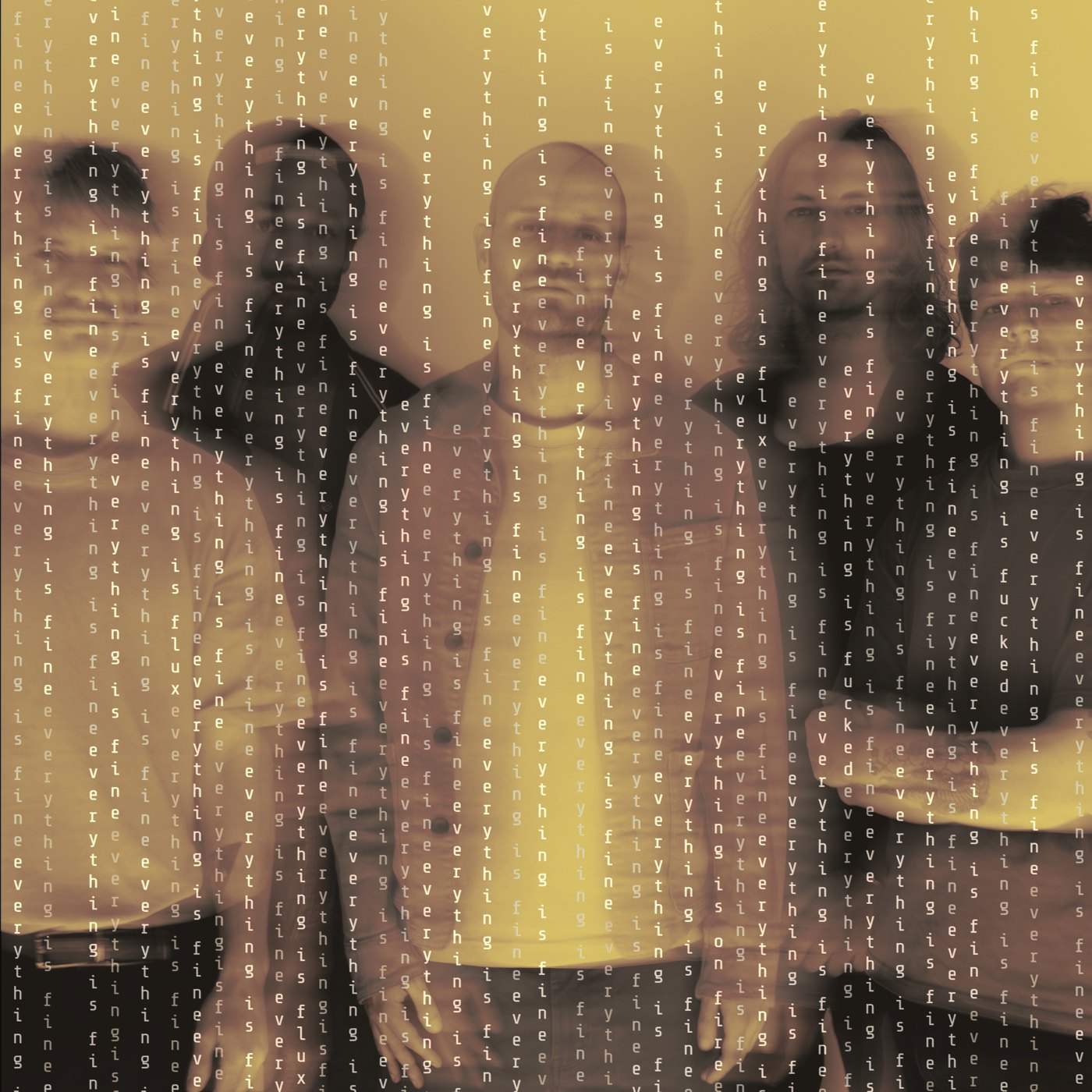
nieuw albumnew album · zennez records
Everything Is Fine
Everything Is Fine is het nieuwe album van FLUX: dertien doorgecomponeerde stukken over hoe onvoorbereid we zijn op AI en technologie. De muziek beweegt tussen moderne jazz, elektronica en post-rock, en drie korte tussenstukken, Everything, Is en Fine, spellen verspreid over de plaat de titel. Live opgenomen in één ruimte in Muziekhuis Utrecht, uitgebracht op ZenneZ Records.
Everything Is Fine is the new album by FLUX: thirteen through-composed pieces about how unprepared we are for AI and technology. The music moves between contemporary jazz, electronics and post-rock, and three short interludes, Everything, Is and Fine, spell out the title across the record. Recorded live in one room at Muziekhuis Utrecht, released on ZenneZ Records.
Nu uit op Bandcamp en vinyl · vanaf 20 november op alle streamingdienstenOut now on Bandcamp and vinyl · on all streaming services from 20 November
Nu uit op Bandcamp, vinyl en alle streamingdienstenOut now on Bandcamp, vinyl and all streaming services
Lees de longread over het album ↓Read the longread about the album ↓perspress
“Elektronica, postrock en UK-jazz schuiven tegen elkaar aan. De sax klinkt niet als een instrument dat boven de band zweeft, maar als een onderdeel van een groter, soms donker en elektrisch landschap. (…) De muziek stroomt, stuwt en ademt. Kortom adembenemend fraai.”
“Electronics, post-rock and UK jazz grind up against each other. The sax doesn't sound like an instrument floating above the band, but like part of a larger, sometimes dark and electric landscape. (…) The music flows, drives and breathes. In short: breathtaking.”
“Exciting, mature jazz with a feel for both detail and adventure.”
“‘Flux’ is an album you'll want to play on repeat.”
longread
Everything Is Fine is het tweede album van FLUX, het kwintet rond saxofonist en componist Willem Abelen. Het beweegt tussen moderne jazz, elektronische muziek en post-rock, is harder en compromislozer dan Abelens debuut uit 2023, en gaat over de groeiende aanwezigheid van technologie en AI in ons leven, en over hoe onvoorbereid we zijn op wat er op ons afkomt. Eerste single: A Way Out, uit op 2 oktober.
Schrijfproces
Maandenlang zette Abelen bijna elke ochtend de wekker voor een uur schrijven, met als regel: in dat uur iets maken én afronden. Het leverde veertig concepten op, die daarna allemaal in één groot Logic-project belandden. Daar begon het eigenlijke werk: kijken wat paste, welke ideeën konden samensmelten, wat een nieuw stuk kon worden. Zijn debuut uit 2023 was een verzameling van eerder geschreven composities. Dit keer begon hij vanaf nul en schreef hij vanuit thema's en motieven. Dertien tracks bleven over.
Waar de muziek over ging, wist hij zelf lang niet. “Ik voelde dát het ergens over ging, maar ik kreeg het niet in woorden.” Tot hij doorhad waar zijn aandacht al die maanden naast het schrijven naartoe ging: hij verslond opiniestukken, podcasts en video's over AI en over hoe afhankelijk we van technologie zijn geworden. Toen viel het kwartje. Natuurlijk gingen die dertien tracks hierover. Over AI en technologie, en over hoe onvoorbereid we zijn op wat er op ons afkomt.
Kunstmatige intelligentie versus echte kunst
Vandaar de titel. We doen met z'n allen alsof er niks aan de hand is — Everything Is Fine — terwijl technologie en AI hartstikke snel steeds meer ruimte innemen in de wereld. “Ik ben boos op de techbazen die dit erdoorheen duwen om er geld aan te verdienen. Van al die praatjes dat ze de wereld willen verbeteren, geloof ik niks,” zegt Abelen. “Tegelijkertijd verbaas ik me over iedereen die doet alsof dit nog steeds ChatGPT uit 2022 is, dat eigenlijk niks kan. Gebruik het nu eens, test het. Het is een wereld van verschil, en ik snap niet dat niet iedereen versteld staat van de snelheid waarmee deze technologie zich verbetert.” Het album is een waarschuwing en een oproep: hier moeten we iets mee, en snel.
Abelen gebruikt zelf ook AI, en die tweeledigheid is hem niet ontgaan: waarschuwen voor de gevaren van AI en technologie, en ondertussen zelf dit middel inzetten. Hij gebruikt het voor de hele organisatie rondom FLUX: de website is deels met AI gebouwd, podia inventariseren en benaderen gebeurt met hulp van AI, en hij liet AI zelfs een programmaatje bouwen dat een uur aan live-videomateriaal omzet in korte, snappy reels voor Instagram en YouTube.
Maar de grens is heel bewust getrokken: alleen voor kantoorwerk en administratie, nooit voor iets creatiefs. Alle muziek is geschreven zonder enige inbreng van AI. “Zo zie ik de ideale manier van AI-gebruik: AI doet het kantoorwerk dat je als muzikant anno 2026 het grootste deel van de werkweek bezighoudt, zodat ik tijd heb voor muziek schrijven, saxofoon studeren en een goede liveset bouwen.”
Ook de visuele kant van FLUX liet Abelen aan mensen over: makers die hij hoog heeft zitten. Designer Bob Wiebes ontwierp het logo en dacht mee over de rest van de huisstijl en de website, van typografie tot vormgeving. De bandfoto's zijn geregisseerd en geschoten door Teemu Kekkonen.
Een hardere sound
De muziek klinkt anders dan alles wat Abelen eerder schreef. Zijn debuut FLUX uit 2023 omschrijft hij als mooi, lyrisch, een beetje filmisch — “braaf, misschien wel”. Everything Is Fine is harder en grover, en de frustratie is hoorbaar. De muziek komt sneller tot de kern, er zijn grote dynamische verschillen en het vertrouwde jazzstramien van thema, solo, thema is grotendeels losgelaten. De tracks bestaan uit delen die in elkaar overlopen: een thema begint bij de saxofoon, verhuist naar de contrabas en gaat verder op de piano, terwijl de gitaar een nieuw motief introduceert.
Dat plaatst FLUX ergens tussen moderne jazz, elektronische muziek en post-rock. De bombastische melodieën doen denken aan saxofonist Donny McCaslin, terwijl de harmonische structuren dichter bij Aaron Parks' Little Big en Brad Mehldaus Finding Gabriel liggen.
De songtitels
De titels verklappen veel. Slobfest is de ironische feesttitel voor alle AI-slop die het internet nu al overspoelt. Fake News gaat over het toenemende nepnieuws dat inmiddels democratieën bedreigt. The Awesome Button begint bij een voetnoot uit de techgeschiedenis: Facebook overwoog ooit een awesome-knop in plaats van de like-knop. Abelen vraagt zich af hoe de wereld er dan had uitgezien. “Een like gaat over jou: jíj vindt iets leuk. Een awesome gun je de ander. In plaats van een wereld waarin iedereen bezig is met hoeveel likes je zelf hebt gehaald, hadden we in een ideale wereld bezig kunnen zijn met hoeveel awesomes je iemand vandaag gegeven hebt. Een klein, maar essentieel alternatief.”
Still Point verwijst naar het oog van de orkaan, de plek binnenin waar het helemaal stil is: het rustpunt dat Abelen soms opzoekt terwijl alles om hem heen chaos is. De sopraan herhaalt steeds dezelfde lyrische melodie boven één basnoot, terwijl gitarist Tom Veltien er als de orkaan omheen raast. Het stuk bouwt op naar een euforisch moment waarop alles uit elkaar knalt, en daarna komt het toch goed. Zo ziet Abelen de hele AI-race eigenlijk ook. “Er is nog steeds een kans dat dit goed afloopt. Alleen hangt die volledig van onszelf af.” Daarom is A Way Out de eerste single. Er is een uitweg, en die ligt nog in onze handen. Wie weet lossen we er onderweg nog een hoop andere problemen mee op.
Opnameproces
Het album is in februari opgenomen, in twee dagen, in één grote ruimte in het Muziekhuis in Utrecht. Live, omdat het daar voor Abelen om draait: samen spelen, in dezelfde ruimte. Freek Mulder, die ook contrabas speelt, produceerde de plaat en voegde daarna nog veel toe. Het geheel klinkt elektronischer dan het debuut, maar de kern blijft vijf mensen in één kamer. Abelen schreef de stukken en liet veel open; in de repetities voorafgaand aan de opnames maakte de band samen de harde muzikale keuzes. Het eerste album was nog nadrukkelijk Abelens eigen album, met veel solo's van hemzelf. Op Everything Is Fine speelt hij bewust minder. “Ik hoef niet altijd te spelen in deze band,” zegt hij. “We hebben met z'n vijven evenveel ruimte op dit album.”
De albumtitel zit in de plaat zelf verstopt, in drie korte interludes die de vorm markeren: Everything opent, Is staat in het midden en Fine — passender kan bijna niet — sluit af. “Het is een conceptalbum geworden, alles behalve geoptimaliseerd voor streamingdiensten,” zegt Abelen. “De tracks lopen in elkaar over en er zit een duidelijke ontwikkeling in van begin tot eind. Leg die telefoon dus weg en luister het gewoon netjes van voor naar achter.”
Everything Is Fine is the second album by FLUX, the quintet built around saxophonist and composer Willem Abelen. It moves between contemporary jazz, electronic music and post-rock, hits harder and pulls fewer punches than Abelen's 2023 debut, and is about the growing presence of technology and AI in our lives, and about how unprepared we are for what is coming. First single: A Way Out, out 2 October.
Writing process
For months, Abelen set his alarm almost every morning for an hour of writing, with one rule: whatever he started in that hour had to be finished in it. It produced forty sketches, which all ended up in one sprawling Logic project. That was where the real work began: figuring out what fitted, which ideas could be fused, what could grow into a new piece. His 2023 debut was a collection of compositions written over the preceding years. This time he started from nothing, working outward from themes and motifs. Thirteen tracks were left.
What the music was actually about, he did not know for a long time. “I could feel that it was about something, but I couldn't put it into words.” Until he realised where all his attention had been going alongside the writing: he had been devouring essays, podcasts and videos about AI and about how dependent on technology we have become. Then it clicked. Of course those thirteen tracks were about this. About AI and technology, and about how unprepared we are for what is coming.
Artificial intelligence vs real art
Hence the title. Collectively we behave as though nothing is happening — Everything Is Fine — while technology and AI take up more and more space in the world, and fast. “I'm angry at the tech bosses pushing this through to make money off it. I don't believe a word of all that talk about wanting to improve the world,” Abelen says. “And at the same time I'm baffled by everyone acting as though this is still the ChatGPT of 2022 that couldn't really do anything. Use it now, test it. It's a world of difference, and I don't understand how everyone isn't stunned by the speed at which this technology is improving.” The album is a warning and a call: we need to do something about this, and soon.
Abelen uses AI himself, and the contradiction has not escaped him. Warning people about the dangers of AI and technology while reaching for the same tools. He uses it across the whole operation around FLUX: the website was partly built with AI, mapping and approaching venues happens with its help, and he even had AI build him a small program that turns an hour of live footage into short, snappy reels for Instagram and YouTube.
But the line is drawn deliberately: office work and admin only, never anything creative. All the music was written without any input from AI whatsoever. “This is how I see the ideal use of AI: it handles the office work that eats up most of a musician's week in 2026, so that I have time to write music, practice the saxophone and build a good live set.”
The visual side of FLUX was left to people as well, with makers Abelen holds in high regard. Designer Bob Wiebes drew the logo and helped shape the rest of the visual identity and the website, from typography to layout. The band photography was directed and shot by Teemu Kekkonen.
A harder sound
The music sounds unlike anything Abelen has written before. He describes the 2023 debut FLUX as pretty, lyrical, faintly cinematic — “well-behaved, maybe”. Everything Is Fine is harder and rougher, and the frustration is audible. The music gets to the point faster, the dynamic range is wide, and the familiar jazz format of theme, solo, theme has largely been abandoned. The tracks are built from sections that bleed into one another: a theme starts on saxophone, moves to the double bass and carries on at the piano while the guitar introduces a new motif.
That places FLUX somewhere between contemporary jazz, electronic music and post-rock. The sweeping melodies recall saxophonist Donny McCaslin, while the harmonic writing sits closer to Aaron Parks' Little Big and Brad Mehldau's Finding Gabriel.
The song titles
The song titles give a lot away. Slobfest is the ironic party name for the AI slop already flooding the internet. Fake News is about the rising tide of disinformation now threatening democracies. The Awesome Button starts from a footnote in tech history: Facebook once considered an awesome button instead of a like button. Abelen wonders what the world would look like if it had. “A like is about you: you think something is good. An awesome is something you grant to someone else. So instead of a world where everyone is preoccupied with how many likes they have picked up, in an ideal world we might have been preoccupied with how many awesomes we had given someone that day. A small alternative, but not a trivial one.”
Still Point refers to the eye of the storm, the place inside where everything goes quiet — the stillness Abelen sometimes looks for while everything around him is chaos. The soprano repeats the same lyrical melody over a single bass note while guitarist Tom Veltien tears around it like the storm itself. The piece builds to a euphoric moment where everything blows apart, and afterwards it turns out fine. That is more or less how Abelen sees the whole AI race. “There is still a chance this ends well. It just depends entirely on us.” Which is why A Way Out is the first single. There is a way out, and it is still in our hands. Who knows how many other problems we solve along the way.
Recording process
The album was recorded in February, in two days, in one large room at the Muziekhuis in Utrecht. Live, because that is what it comes down to for Abelen: playing together, in the same space. Freek Mulder, who also plays double bass, produced the record and added a great deal afterwards. The result sounds more electronic than the debut, but at its core it is still five people in one room. Abelen wrote the pieces and left a lot open, and in the rehearsals leading up to the sessions the band made the hard musical calls together. The first album was still emphatically Abelen's own, with plenty of solos from him. On Everything Is Fine he deliberately plays less. “I don't have to be playing all the time in this band,” he says. “The five of us have equal space on this album.”
The album title is hidden inside the record itself, in three short interludes that mark out its shape: Everything opens, Is sits in the middle and Fine — fittingly enough — closes. “It has turned into a concept album, anything but optimised for streaming services,” Abelen says. “The tracks run into each other and there is a clear arc from beginning to end. Put your phone down and just listen to it properly, front to back.”
foto's & artworkphotos & artwork
Download alles (zip)Download all (zip)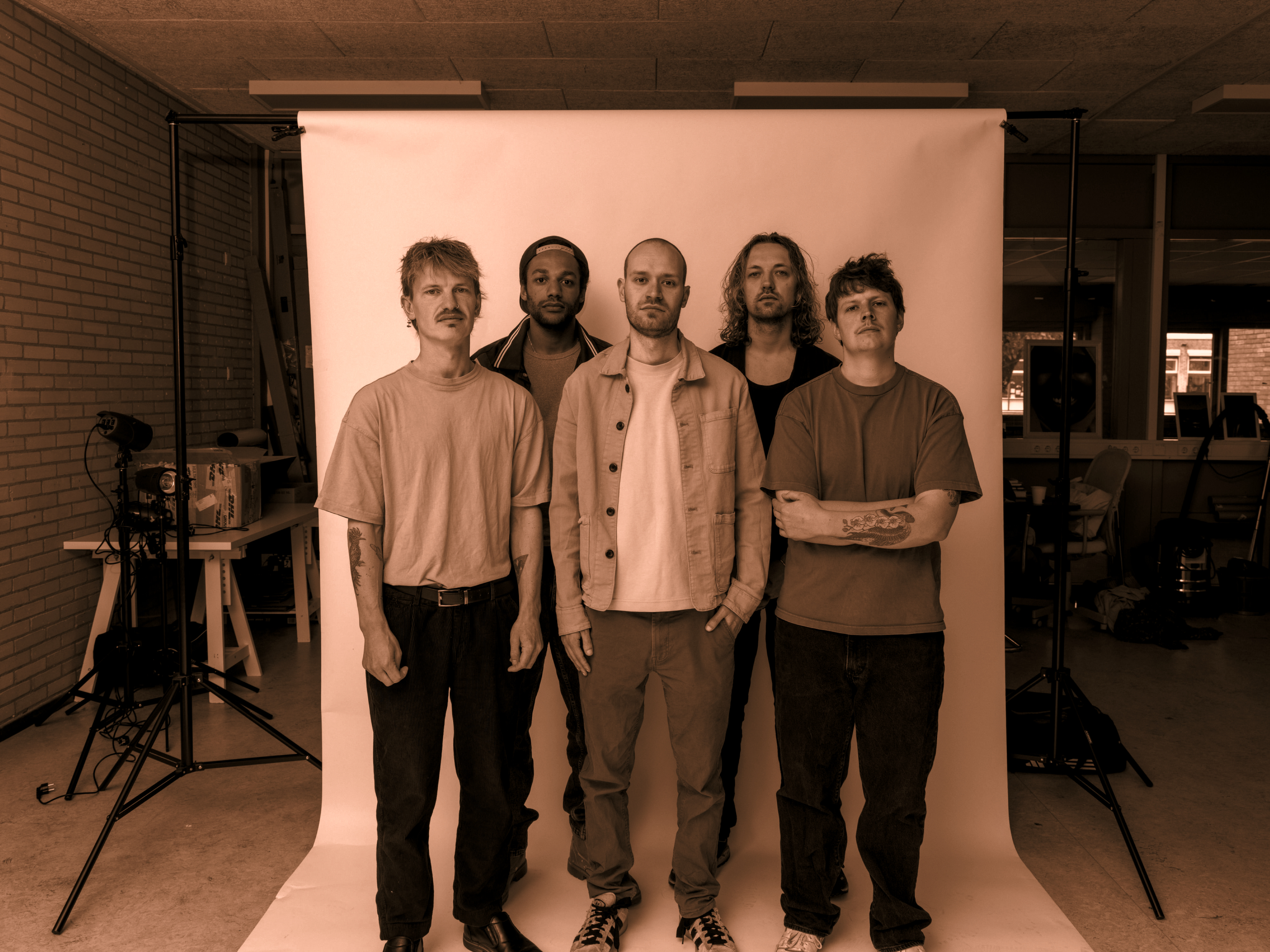
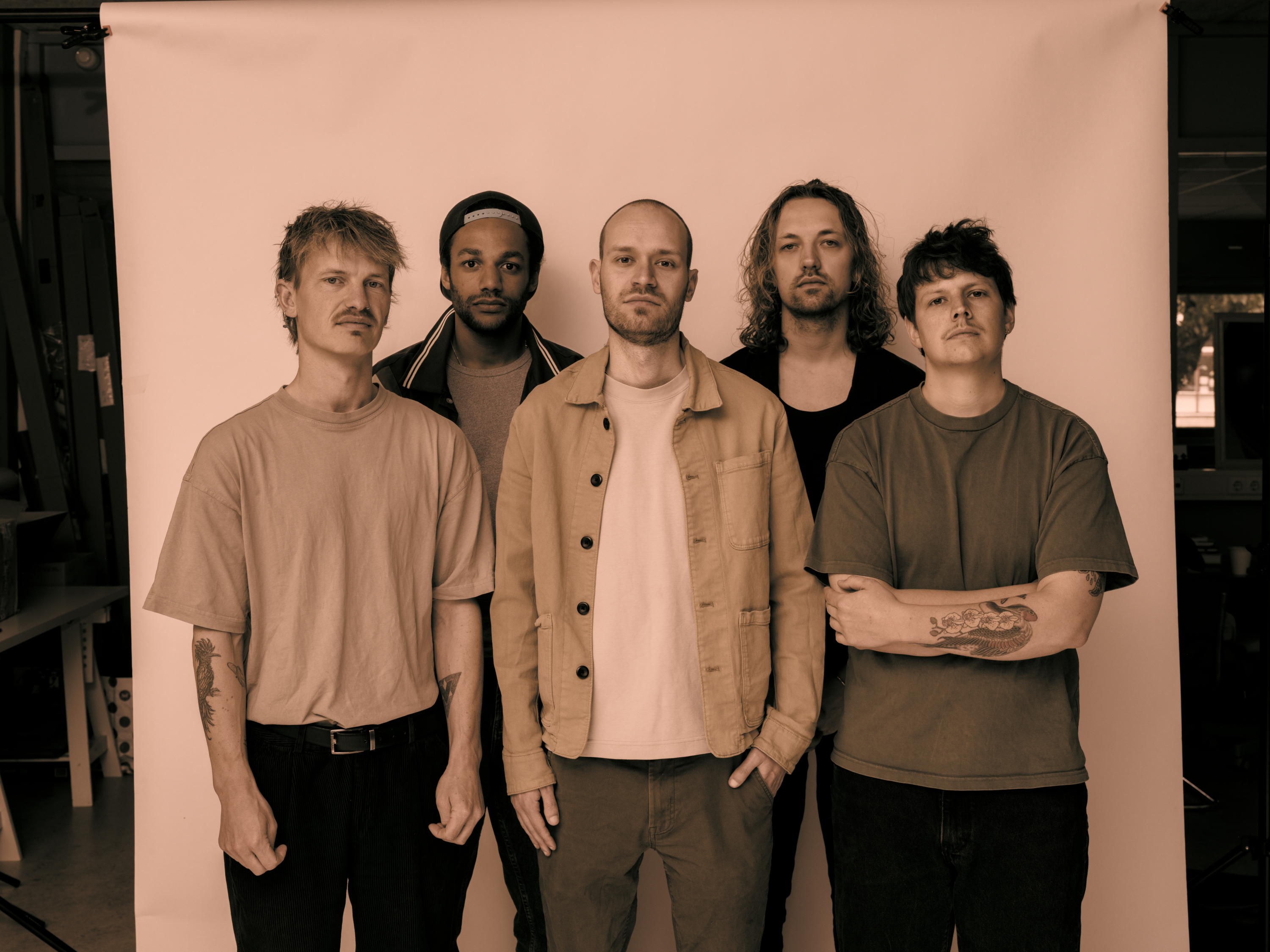
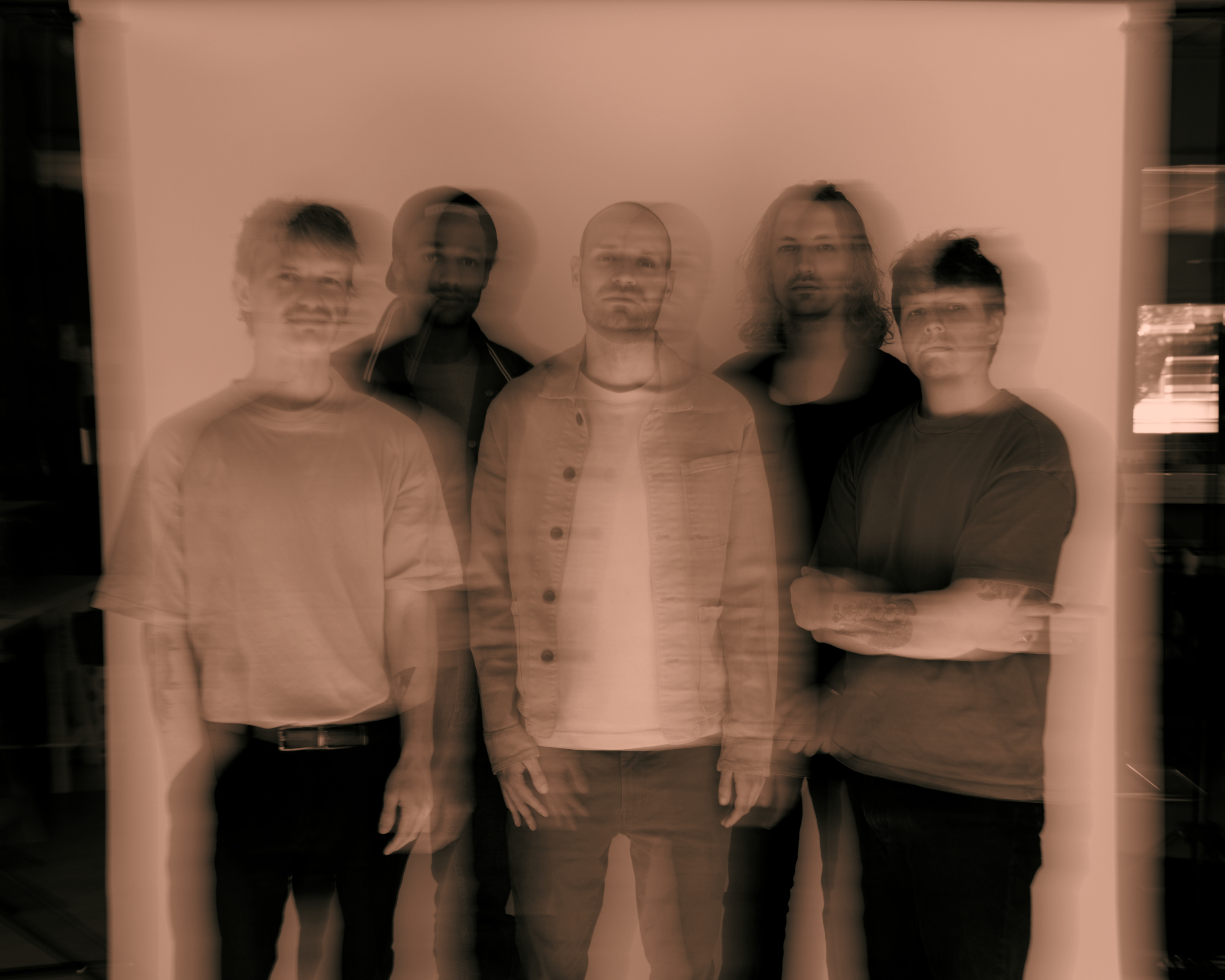

Vrij te gebruiken voor publicaties over FLUX, met vermelding van de fotograaf. Hoes en logo: Bob Wiebes.Free to use in coverage of FLUX, with photo credit. Cover and logo: Bob Wiebes.
video
credits
- Alle composities geschreven door Willem Abelen
- Geproduceerd door Freek Mulder
- Opgenomen in februari 2026 in het Muziekhuis, Utrecht
- Mix: Freek Mulder · Master: Jerboa Mastering
- Artwork en logo: Bob Wiebes · Fotografie: Teemu Kekkonen
- Label: ZenneZ Records · 2 oktober 2026 op Bandcamp + vinyl, 20 november 2026 op streamingdiensten
- All compositions written by Willem Abelen
- Produced by Freek Mulder
- Recorded February 2026 at the Muziekhuis, Utrecht
- Mix: Freek Mulder · Master: Jerboa Mastering
- Artwork and logo: Bob Wiebes · Photography: Teemu Kekkonen
- Label: ZenneZ Records · 2 October 2026 on Bandcamp and vinyl, 20 November 2026 on streaming
boeken & persbooking & press
Willem Abelen
info@fluxtheband.com
+31 6 25 06 00 07
Voor boekingen, interviews en recensie-exemplaren.For bookings, interviews and review copies.